Museums & Historic Preservation
Capture and preserve museums, historic buildings, and sites with accurate 3D models and GIS
Use 3D scanning, complete digital twins, and location-based data to document spaces, support restoration, and improve advocacy
Most museums and historic sites have some level of documentation, but the challenge is ensuring that information is accurate, complete, and useful for long-term preservation and stewardship. 3D scanning and mapping provide a way to capture buildings and sites as they exist today, creating detailed digital records and digital twins that connect spatial data, structures, and relationships across a site.
These living digital records can support restoration, planning, change tracking, and ongoing site management while providing a reliable reference if spaces are damaged or lost. Beyond preservation, they can also expand public access and engagement by enabling virtual experiences, education, and advocacy—making these places more accessible while helping preserve their history for the future.
Supporting museums and historic sites with mapping, preservation, and public engagement
-
![]()
Documentation & Existing Conditions
Capture accurate records of buildings and sites as they exist today. 3D scanning combined with GIS provides a reliable foundation for preservation and long-term management by documenting structure, layout, and spatial relationships across a site.
-
![]()
Digital Twins
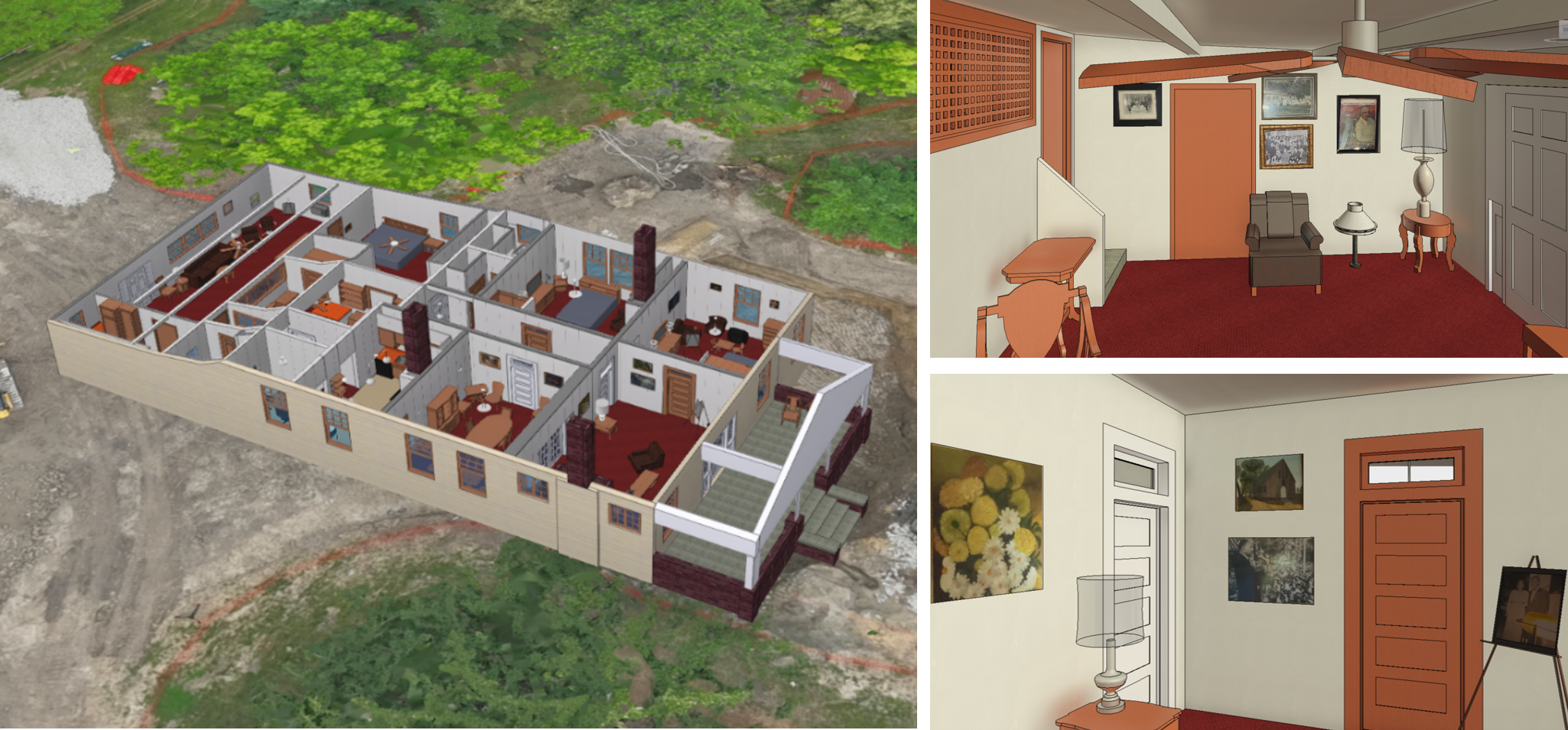
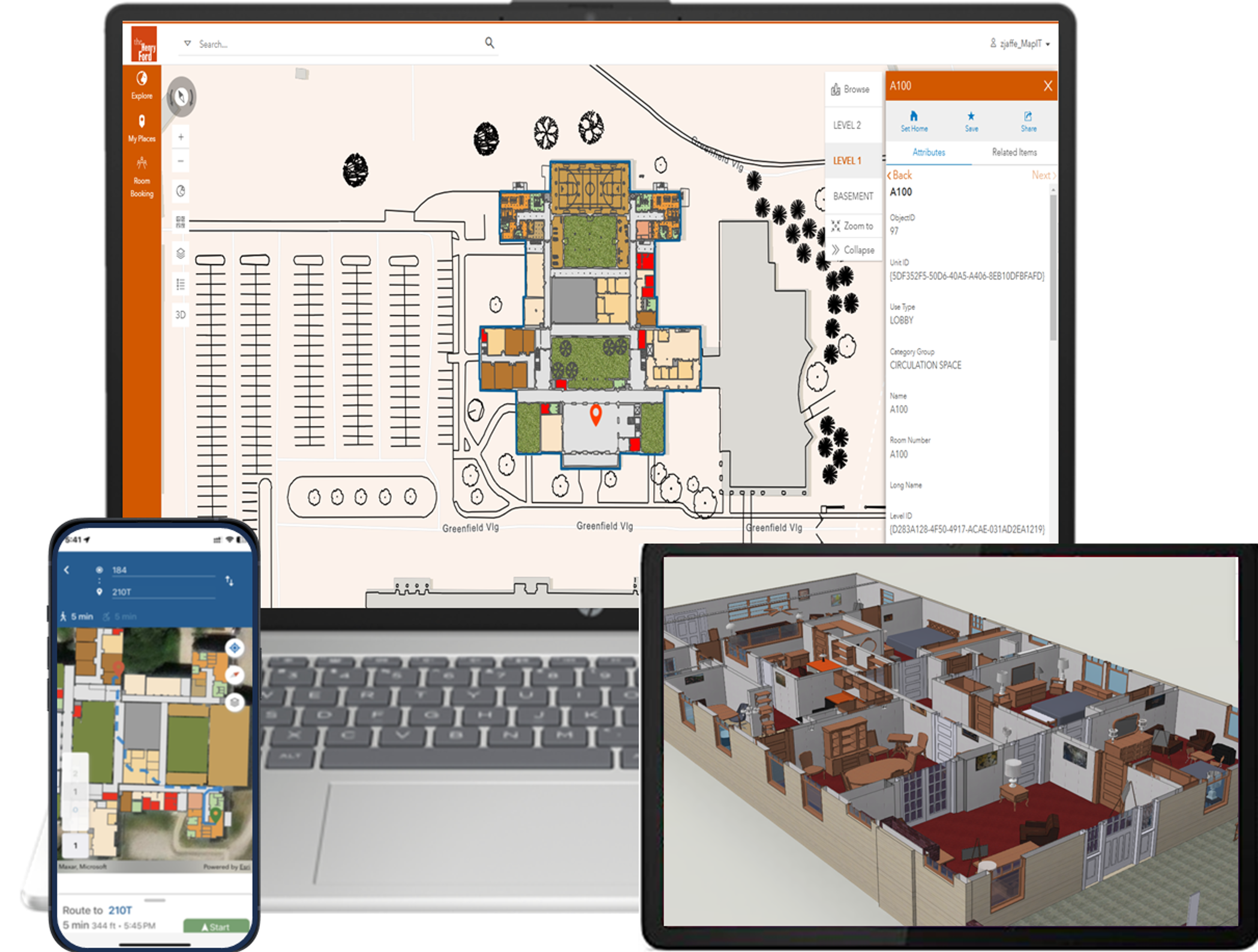
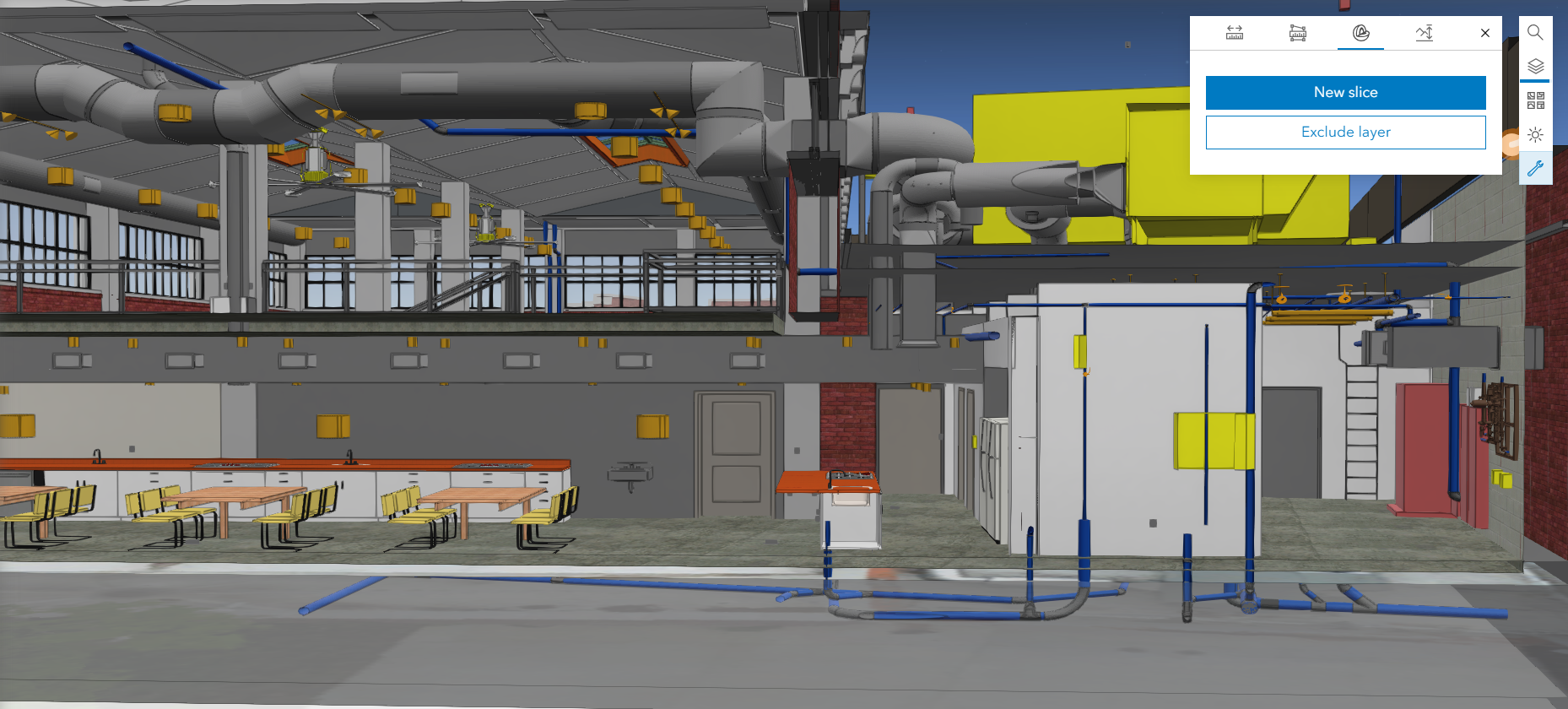
Create complete digital twins that combine 3D models with GIS data to reflect how buildings and sites exist in the real world. This connects structures, assets, and spatial context into one system that can be updated and used over time.
-
![]()
Preservation & Restoration Planning
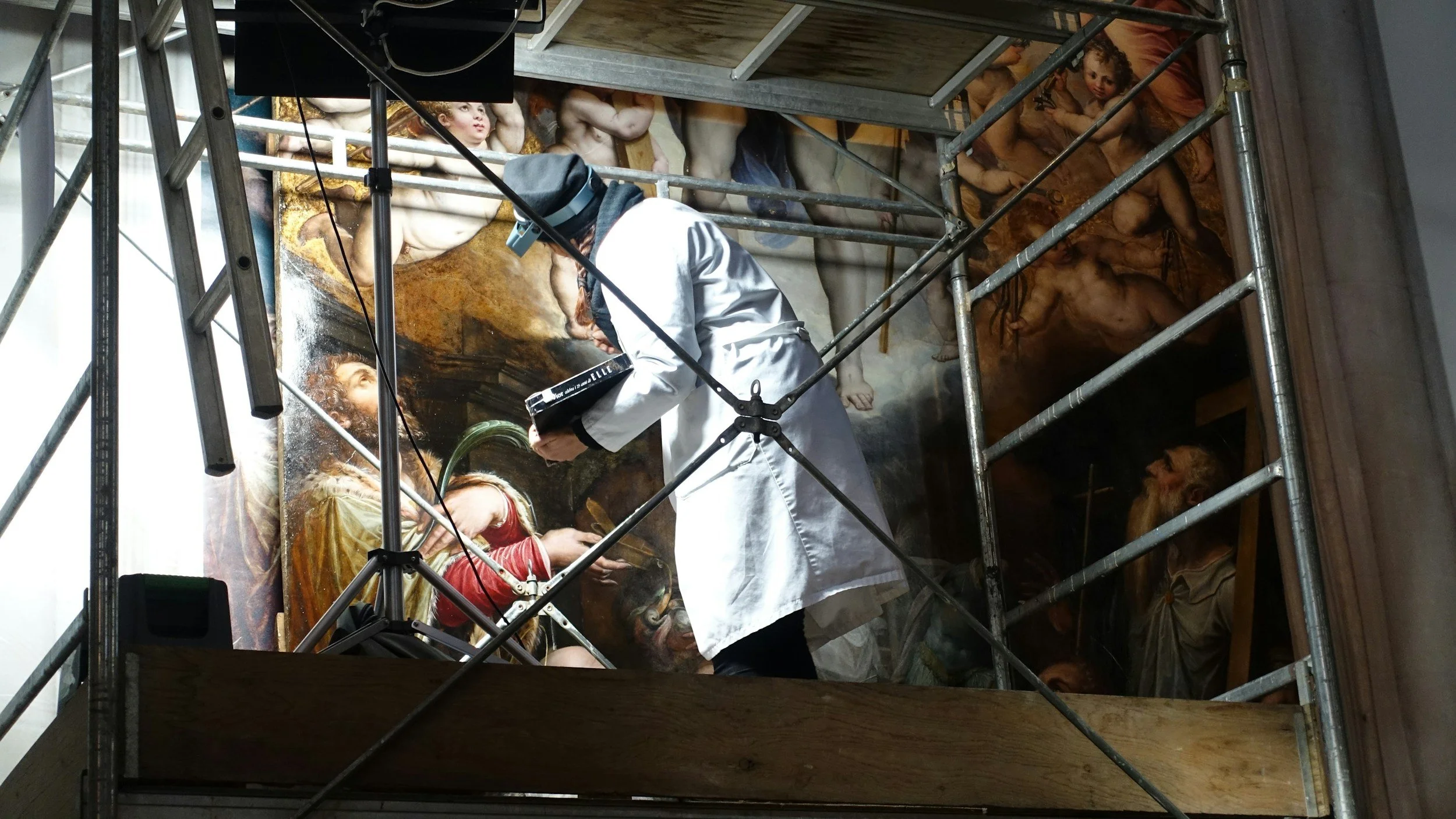
Support restoration efforts with accurate, real-world data. When existing conditions are clearly documented and tied to location, teams can plan work more effectively and maintain historical integrity without relying on outdated drawings or assumptions.
-
![]()
Realistic Rendering & Visualization
Use advanced capture methods, including Gaussian splats and high-fidelity 3D rendering, to create realistic visual representations of spaces. When combined with GIS, these models can be explored in context, helping teams and stakeholders better understand environments at both the building and site level.
-
![]()
Public Engagement & Advocacy
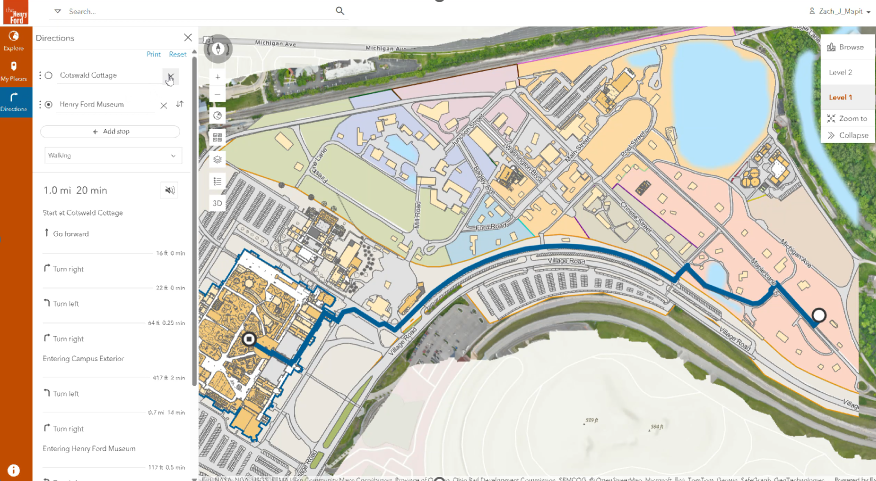
Make spaces more accessible through interactive maps, virtual tours, and location-based experiences. GIS connects visual models to real-world context, making it easier to share sites with the public, support education, and build stronger advocacy for preservation efforts.
-
![]()
Planning & Site Management
Understand how spaces are used and how they can evolve over time. GIS supports planning across buildings and sites by connecting spatial data with real-world use, helping teams plan exhibits, renovations, and future development.
A partner to your preservation and documentation efforts
Map I.T. works with your existing documentation and captures new data where needed to create a system that reflects your buildings, sites, and campuses as they exist today. This allows your information to be maintained, updated, and reused over time rather than recreated for each new initiative.
What We Do
Identify missing, outdated, or inconsistent building and campus information
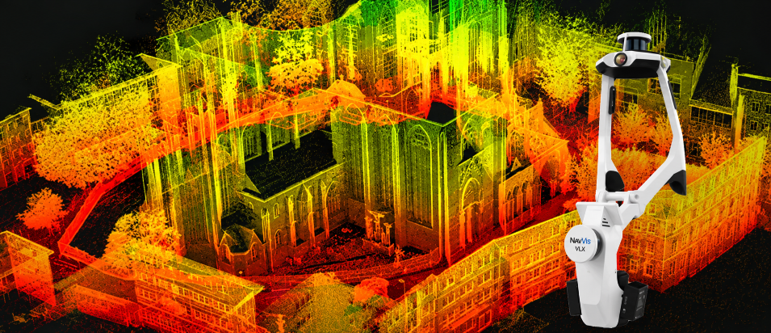
Capture existing conditions with LiDAR and 360° panoramic imagery
Create accurate floor plans, 3D models and digital records
Develop GIS and digital twins for long-term use
Organize information into a centralized data repository
Provide training and knowledge transfers for ongoing maintenance
Experience supporting museums & historic sites
Map I.T. supports museums and historic preservation efforts with 3D mapping and GIS systems that improve documentation, planning, and public engagement.
Visit the Esri website to read more about the Henry Ford mapping project.